Making Monsters (2019): When Pranks Meet Dark Web Snuff Films
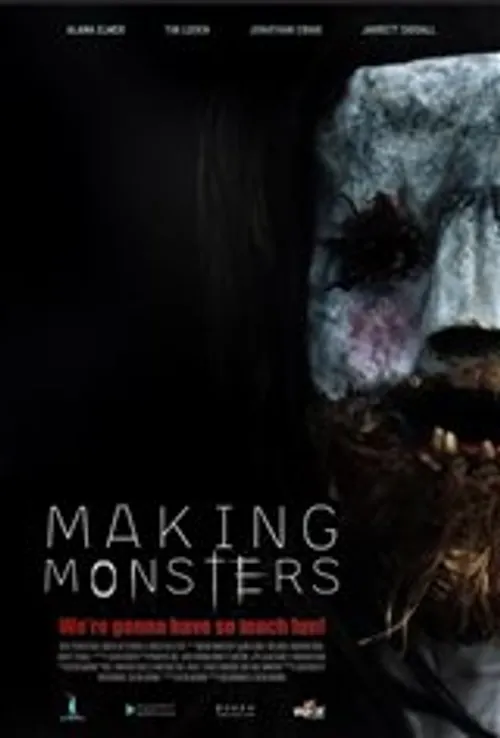
There are movies that reveal themselves fully on the first watch, and then there are movies that make you go back and realize you missed half of what was actually happening. Making Monsters falls firmly into the latter category, which is both its greatest strength and its most frustrating quality.
This 2019 indie horror film follows Chris and Allie, a YouTube prank couple who’ve built their entire brand around Chris terrorizing Allie for content. They’re invited to stay at a remote church owned by JesseâChris’s old friendâand his husband David. What starts as a weekend getaway quickly turns into a dark web nightmare when they realize they’ve been filmed, drugged, and hunted for an online snuff audience.
The film opens strong with a brutal hunt sequenceâa bloodied man running through a field while someone on an ATV tracks him with a high-powered rifle. It’s visceral, effective, and immediately sets a tone of dread. Then it cuts to a wedding dress shop where Chris pulls yet another prank on Allie, complete with him talking directly to his followers about how great his content is. The whiplash is intentional but jarring.
Here’s where the movie gets complicated: Allie can’t be stressed anymore because they’re trying to have a baby through IVF. The fertility doctor explicitly tells her she needs a calm, stress-free life. So naturally, she spends the entire weekend at this remote church drinking heavily, smoking cigars, and doing hallucinogenic mushroom shots. The cognitive dissonance is wild. She’s constantly talking about not being able to handle stress while actively making the worst possible decisions for someone trying to conceive. And why does she bring all her IVF medications to a weekend trip when she’s not even starting treatment until the following week? Honestly, we still don’t understand this choice. Had she not brought them, they never would have needed to go back to the house to retrieve them later. It’s clearly there for plot purposesâto force them back into dangerâbut in real life, it makes zero sense to pack your fertility meds for a casual weekend at a friend’s place.
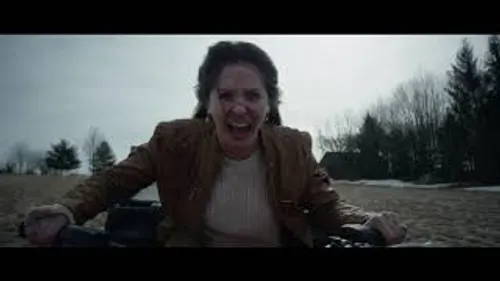
The cast is surprisingly solid for an indie production. Alana Elmer as Allie delivers some genuinely impressive work, particularly in her terror scenes. When she screams “I want to get the FUCK out of here,” you absolutely believe she means it. Her face acting alone carries significant emotional weightâthere’s a moment where Chris convinces her to go back to the house for the medications and she just looks utterly defeated, like a broken puppy. It’s genuinely affecting.
The dynamic between Chris and Allie raises uncomfortable questions about their relationship. During his TED Talk (because apparently prank YouTubers with 10 million subscribers get TED Talks now), Chris talks about how Allie is the love of his life and he built his entire career around her. But his actions throughout the film suggest he loves the money and fame more than he loves her. When she says she doesn’t want to be pranked anymore, he gets passive-aggressive and manipulative. When she’s terrified and begging to leave the church, he insists on staying to look for their phones. He’s consistently dismissive of her fear and prioritizes finding their belongings over her safety, even though he’s not filming content at this pointâhe’s just being obstinate and refusing to take her seriously.
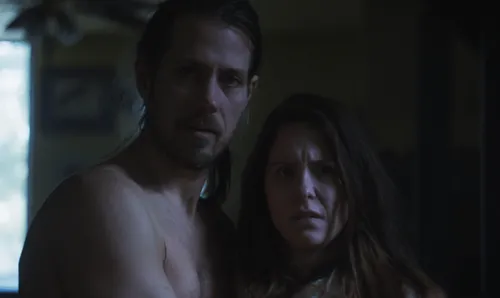
Which makes you wonder: is he really the hero of this story, or just another type of villain?
The film plays with your expectations about who the actual threat is. Allie keeps thinking she’s being prankedâthat Chris is behind the weird occurrences at the church. At various points, it seems like Chris might be orchestrating an elaborate setup, or maybe Jesse and Chris are in on it together since Jesse conveniently showed up at the fertility clinic. Or maybe it’s all a hallucination from the mushrooms. The ambiguity works better than it should, keeping you genuinely uncertain about what’s real.
Then there’s the creature.
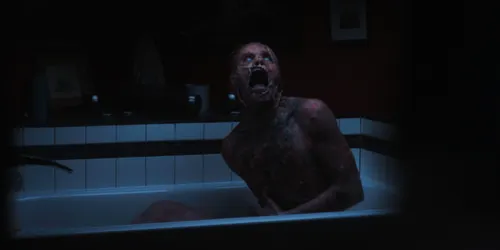
On first watch, this skinless humanoid figure seems completely out of place. Allie comes from a family of mediums who can communicate with the dead, but that information feels randomly thrown in during Chris’s TED Talk with no apparent relevance to the plot. The creature appears to Allie multiple timesâin the bedroom, in the bathtub, dragging her aroundâand it’s unclear if it’s a hallucination, a ghost, or something else entirely.
On second watch, everything clicks. The creature is Davidâthe real David, not the killer pretending to be Jesse’s husband. You see in the security footage that the killer burned David’s body in the fire pit. The creature looks burnt and skinless because that’s exactly what happened to him. Allie can see him because she has the medium gene. And he’s not trying to hurt herâhe’s trying to warn her and lead her to the basement where Jesse is being held captive. When Jesse gets shot and killed, the creature appears over his body and screams in anguish because David was trying to save his husband.
This is genuinely clever storytelling, but it’s buried so deep that most viewers will miss it entirely on first watch.
There are brilliant little details scattered throughout once you know what to look for. After being drugged for four days, Allie wakes up and while Chris is off trying to turn the power back on. She eventually makes her way to the bathroom, and in what seems like a bizarre moment, she sniffs her armpit while checking her armpit hair. On first watch, this seems like a random character quirk. On second watch, you realize she’s checking for hair growth to gauge how long she’s been unconscious. When she and Chris see the wilted flowers that were fresh when they arrived, it confirms days have passed. These small touches show real attention to detail in the writing.
The killer himself is a mixed bag. When he’s silent and masked, he works well as a threatening presence. But when he starts talking in a bad Heath Ledger Joker voice, the mystique evaporates. There’s a debate to be had about whether masked killers should speak at allâJason and Michael Myers are terrifying partly because of their silence. Freddy Krueger talks constantly, but he’s not wearing a mask and his personality is the whole point. Here, the killer’s chatter undercuts his menace, even when some of his dark humor lands.
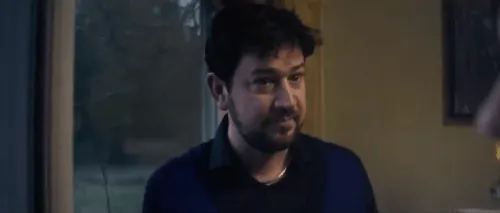
That said, when he gets a pitchfork through the throat and spends an agonizing amount of time trying to remove it using a single nail on the wall, the acting is genuinely convincing. You believe he’s in excruciating pain even as you question how he’s managing to stay conscious and functional.
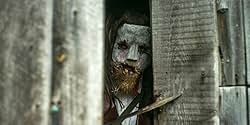
The film’s commentary on internet culture and dark web content is more effective than expected. During dinner, Chris explains that his audience loves watching people experience trauma, terror, and violence. The killer later echoes this while reading chat comments from his dark web viewers, making the same observations about human nature’s appetite for suffering. It’s not subtle, but it works as a critique of both mainstream YouTube prank culture and the darkest corners of online entertainment.
The pacing has issues. Allie’s forced dancing scene goes on way too long. There’s excessive footage of her driving the ATV in circles to create the illusion of distance when she’s clearly just going around the same field. Chris spends an absurd amount of time trying to flip a circuit breaker when the solution should take seconds. These padding moments drag down an otherwise tight 95-minute runtime.
The ending is brutal and ambiguous. Allie manages to choke out the killer with a belt in a satisfyingly long and realistic struggleâchoking someone to death takes much longer than movies typically show, and this film commits to the uncomfortable duration. She stomps on his head for good measure, but then collapses from her injuries. We don’t know if she survives. The film doesn’t give us that closure, leaving her fate uncertain.
But then the movie adds an unnecessary final scene showing that the killer was at the fertility clinic at the very beginning, recording Chris, Allie, and Jesse. This raises more questions than it answers. Was he already stalking them? Why was he at a fertility clinic? How did he know they’d be there? The film would be stronger ending with Allie’s collapse rather than trying to tie everything together with a twist that just creates plot holes.
Making Monsters is a film that demands and rewards a second viewing. What seems like lazy writing or random creative choices on first watch often reveals itself as deliberate setup on subsequent viewings. The armpit hair, the wilted flowers, the creature’s true identityâall of it serves a purpose that isn’t immediately apparent.
The acting is stronger than the budget suggests, particularly from Alana Elmer who carries much of the emotional weight. The premise is solid even if the execution occasionally falters. And there’s genuine cleverness in how information is layered throughout, even if it means many viewers will miss the full picture.
Is it perfect? Absolutely not. The pacing drags in spots, some scenes run too long, the IVF medication subplot is contrived, and the final reveal feels tacked on rather than earned. But there’s real craft here, especially in how the film uses misdirection and seemingly throwaway details to build toward its reveals.
We’re giving it five to six and a half cents out of ten. On first watch, it might have been a threeâa decent enough indie horror with some confusing choices. On second watch, understanding the full scope of what the filmmakers were attempting, it jumps to at least a five or six. It’s not going to revolutionize the genre, but it’s smarter than it initially appears and deserves credit for trusting its audience to piece together the puzzle.
Just maybe skip that final scene at the fertility clinic. We didn’t need it, and honestly, the movie’s better without it.